Together We Report: Women's Media Collective
Investigative journalism is one of the few mechanisms societies have for holding power to account. It exposes what institutions prefer to keep hidden, gives voice to those who are ignored, and creates the kind of informed public debate that democratic governance depends on. In contexts like Iraq, where press freedom is constrained, where journalists face real personal risk, and where women remain underrepresented in newsrooms and sidelined from the hardest stories, that function is both more difficult and more necessary.
Collaborative journalism takes that premise a step further. When journalists pool resources, share sources, and work across newsrooms, they can pursue stories that would be impossible to report alone. They can go deeper, move more safely, and produce work that is harder to dismiss or suppress. It is also, in environments where isolation is a tool of control, an act of professional solidarity.
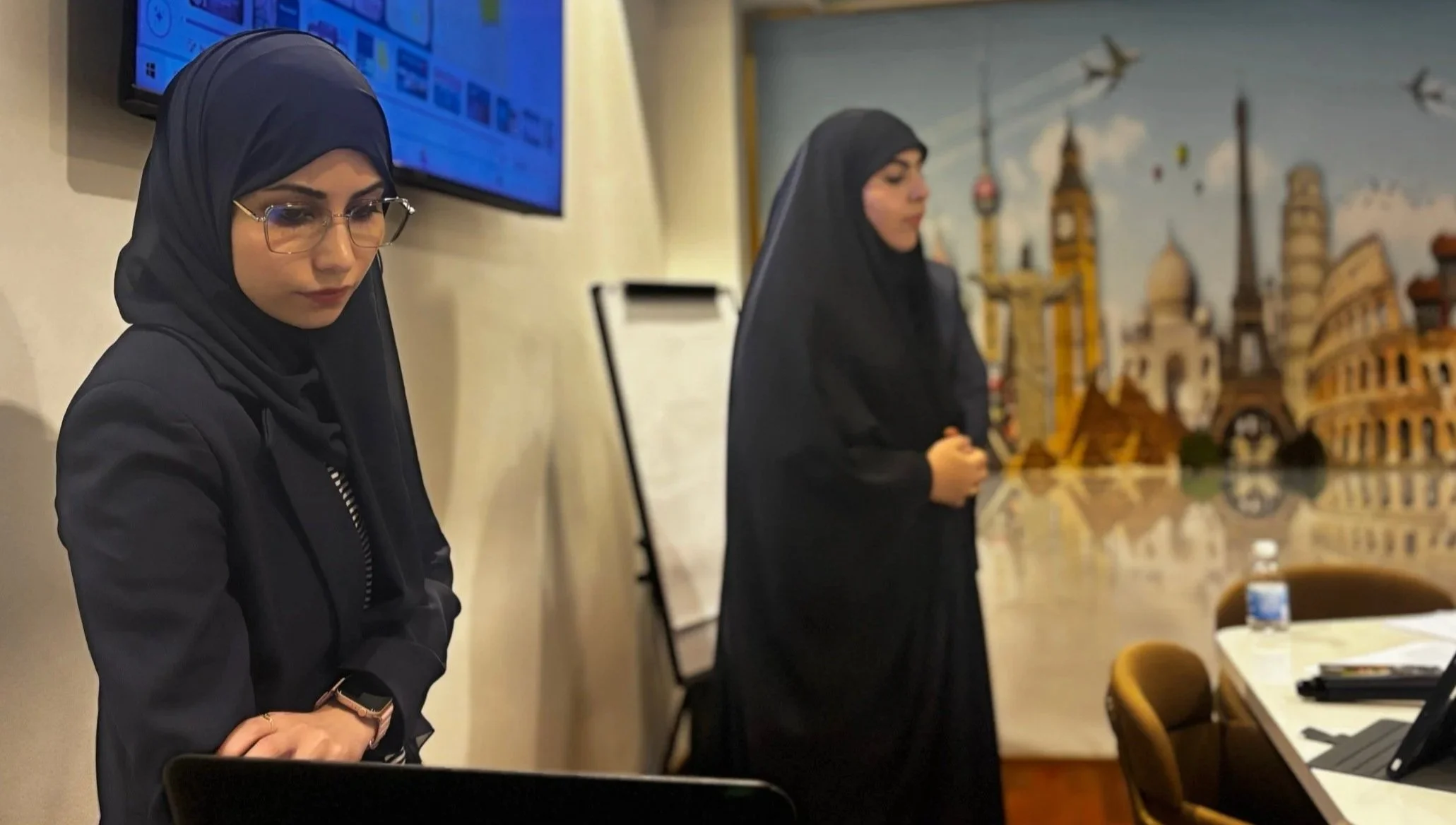
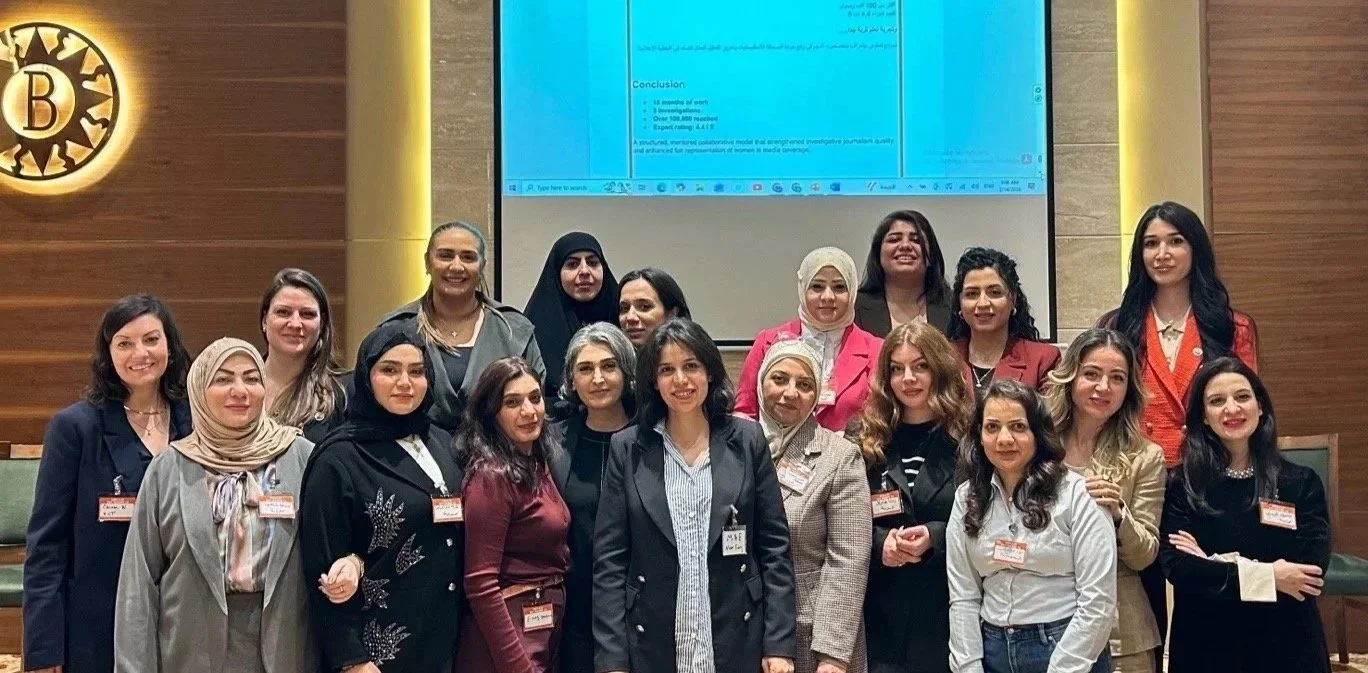
In October 2024, MiCT brought together 13 Iraqi women journalists to put that model into practice.
Over 15 months, and with support from Deutsche Gesellschaft für Internationale Zusammenarbeit (GIZ) GmbH, the journalists worked in five teams to investigate issues that directly affect the communities they live and work in. They learned to share sources, divide labour, challenge each other's assumptions, and navigate the pressures that come with reporting on powerful interests in a difficult environment. Many of them had never worked collaboratively before. Several were covering topics — militia-linked corruption, smuggling networks, environmental crime — that are rarely reported by women in Iraq, and rarely reported at all.
The Investigations
What made this programme unusual was not just the training, but the structure. Each team was matched with an established media partner — NIRIJ, Al-Aalam al-Jadid, Kirkuk Now, Daraj, and Raseef22 — who worked alongside them through the editorial process and published the final investigations. Their willingness to engage, and in several cases their eagerness to continue working with the journalists beyond the programme, says something about the quality of what was produced.
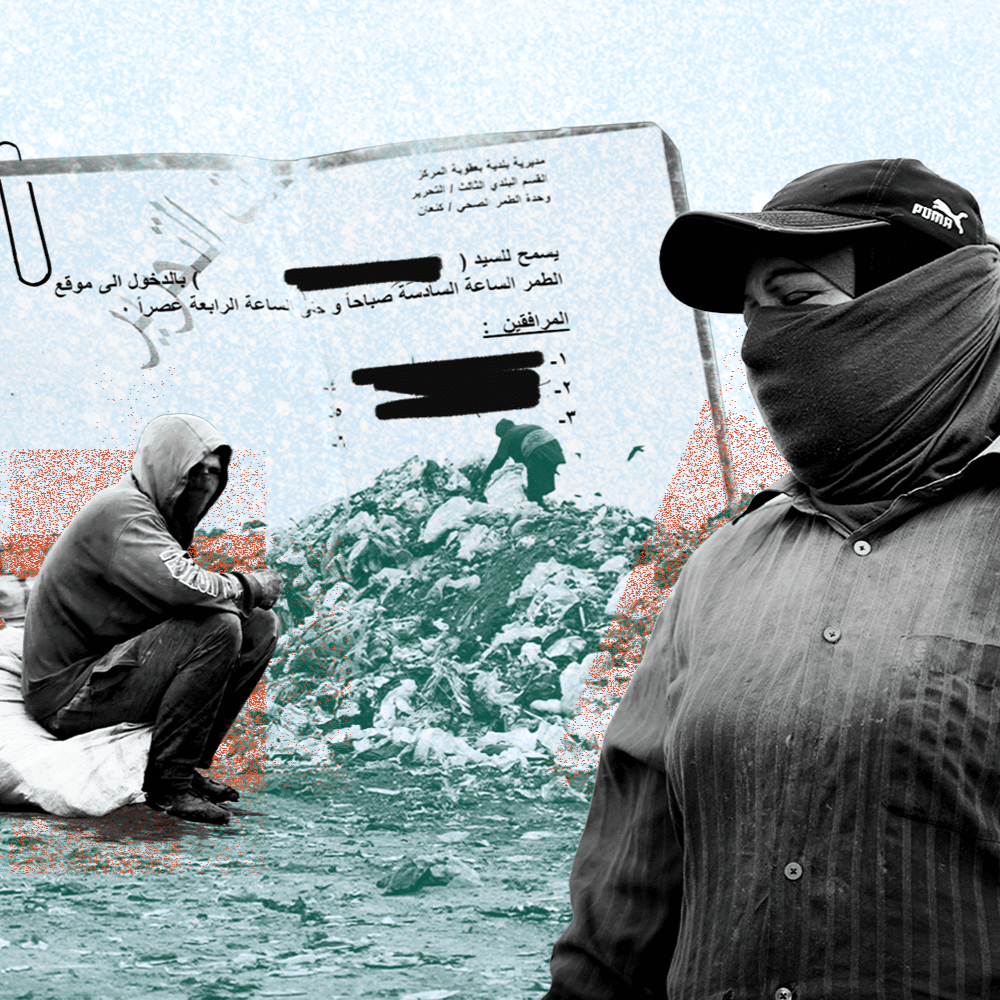
Illegal landfills and environmental hazards in Diyala
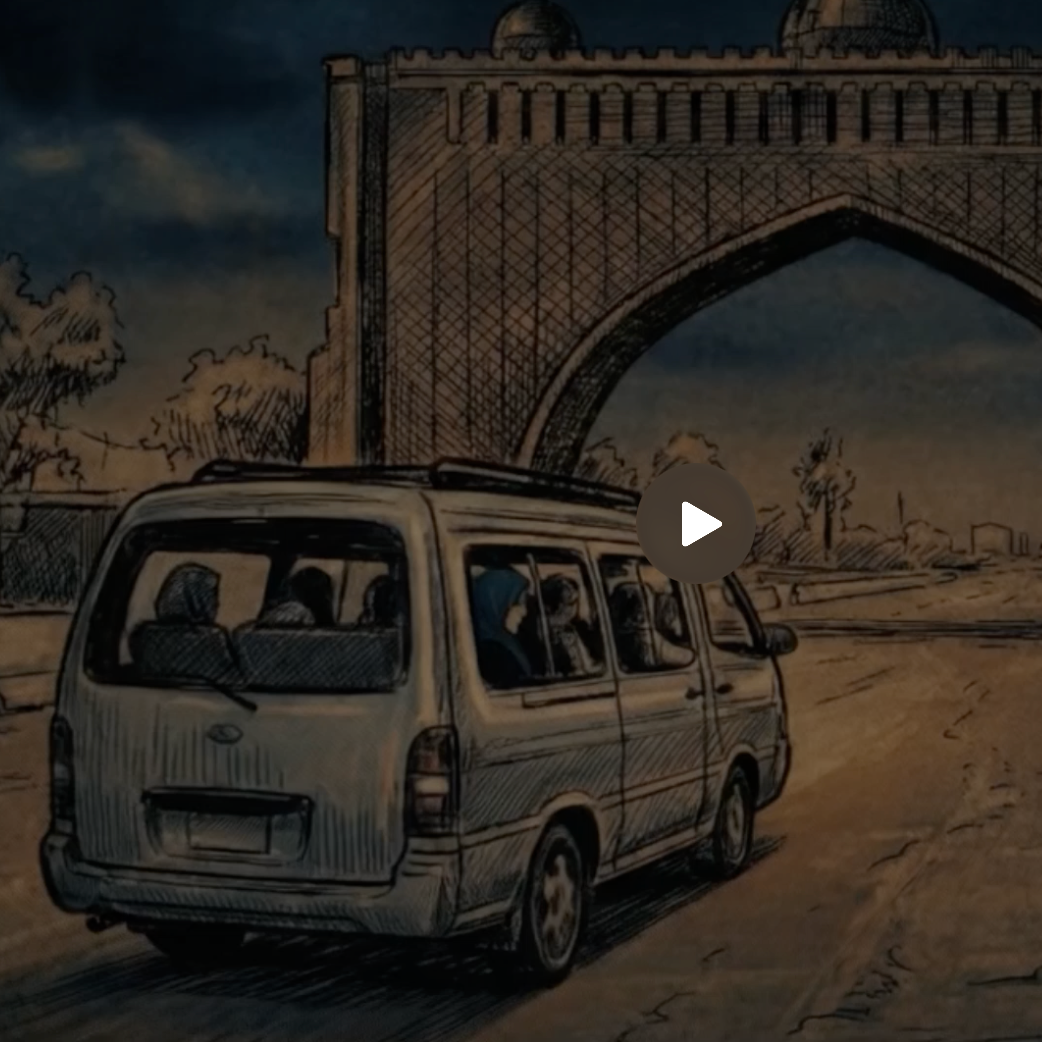
Human trafficking and corruption along smuggling routes
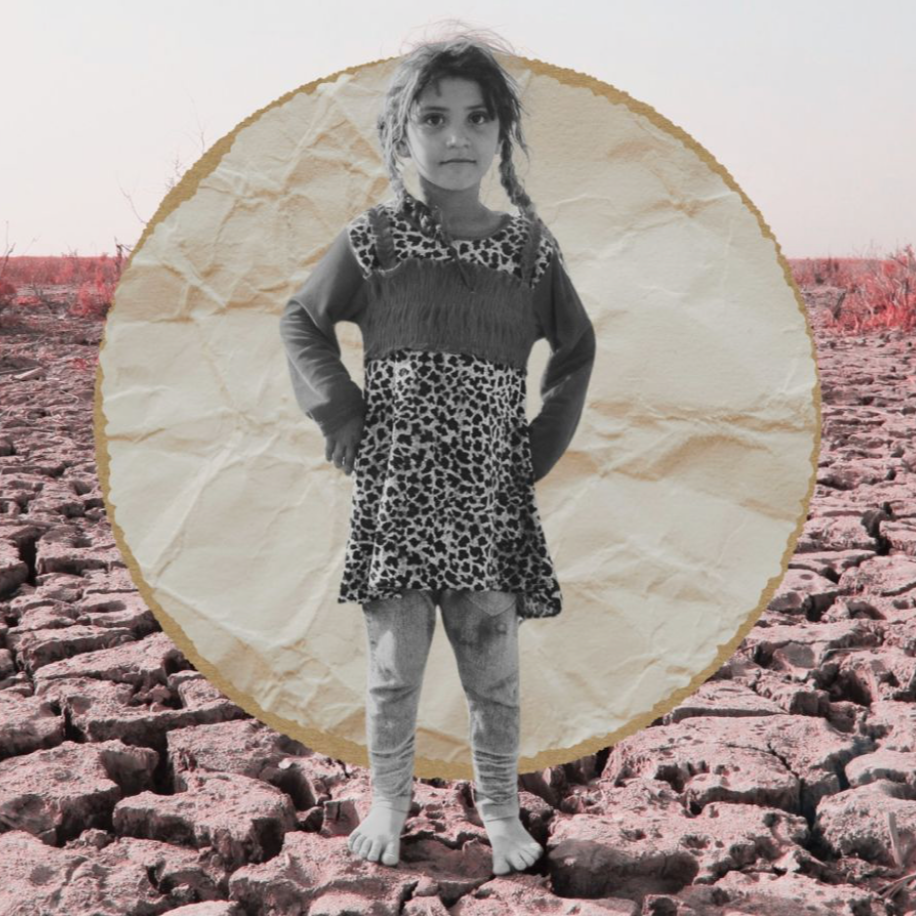
Water scarcity and the disappearance of villages in Dhi Qar
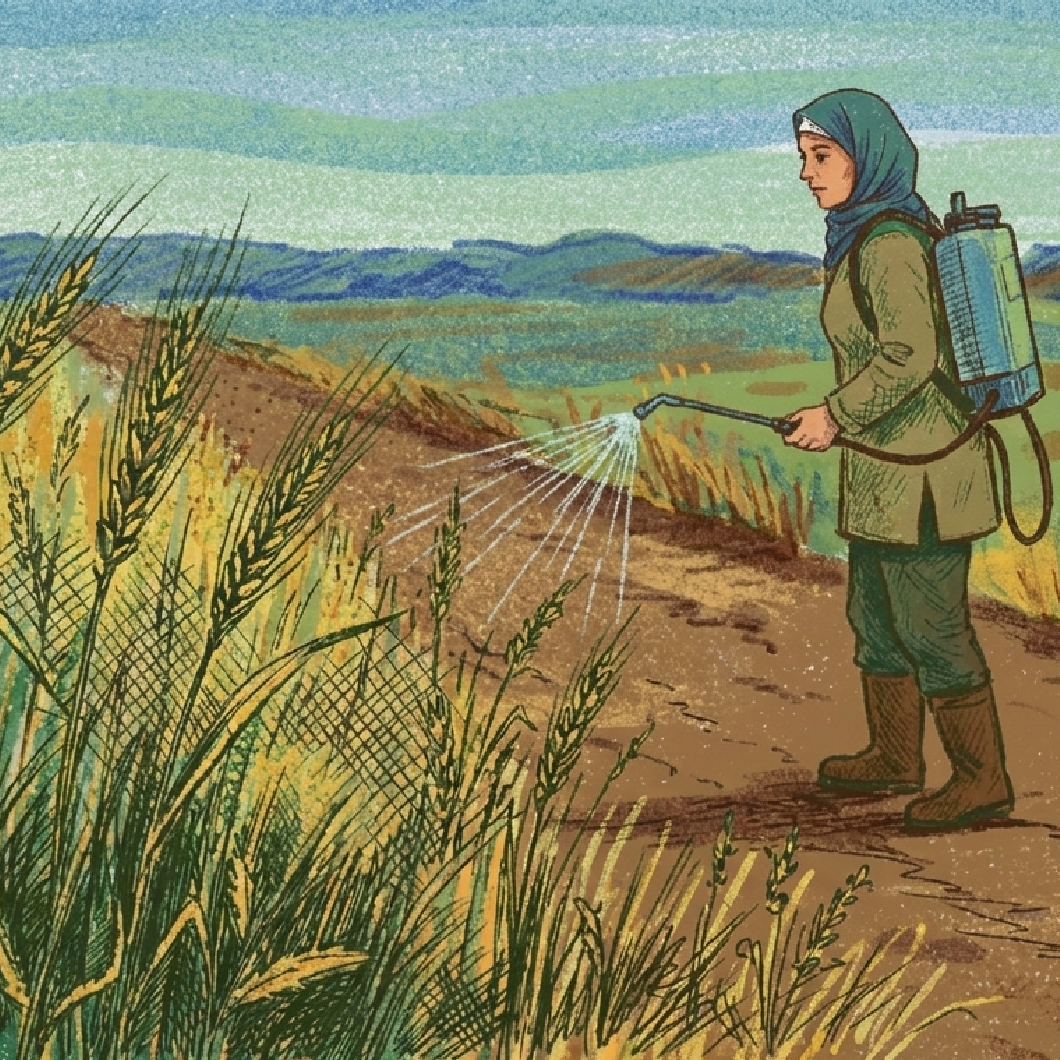
Banned pesticides poisoning farmers
Beyond the Investigations
Some of the most meaningful outcomes are harder to quantify. One participant landed a full-time position at one of Iraq's largest news agencies during the programme, crediting the shift in how she learned to identify and pursue stories. Another published opinion pieces with a partner platform that were picked up and quoted by other regional outlets. Several journalists described the experience of working in a team not just as a skill they had gained, but as something that changed how they see the profession.
The media partnerships built through the programme were designed to outlast it. Journalists left with established relationships at regional and local outlets, editorial contacts, and a track record of published work — the kind of infrastructure that is very difficult to build alone, and that makes future investigations more viable.
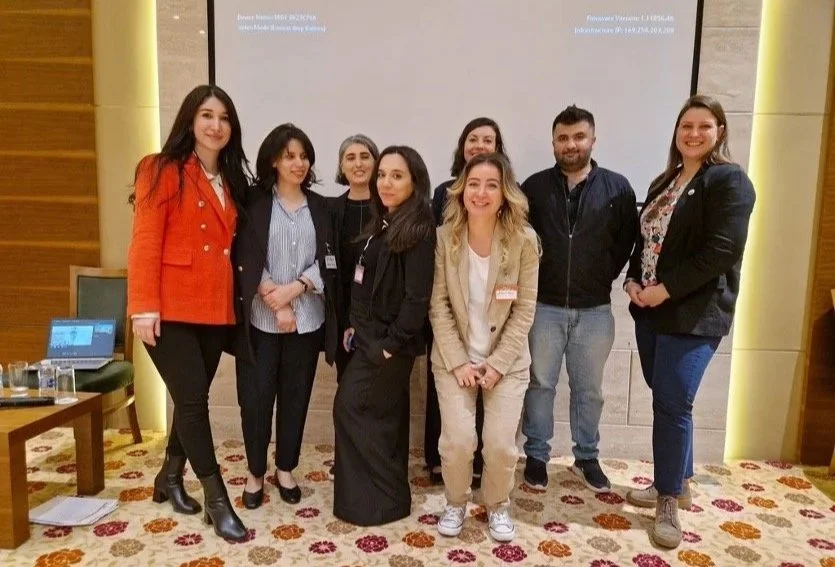
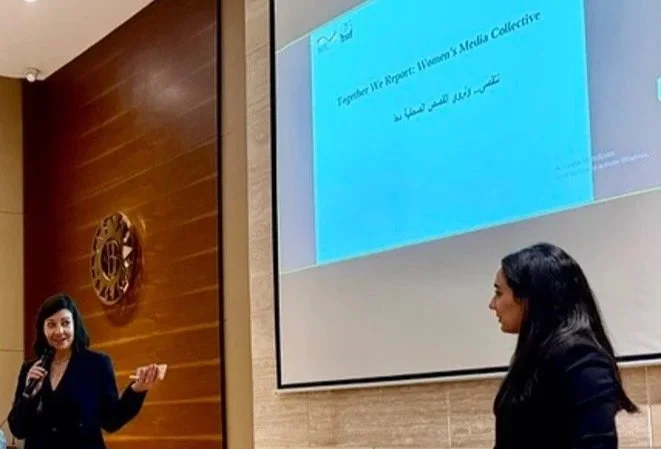
The programme closed with a two-day event in Baghdad on 13-14 February 2026, where the teams presented their published investigations to media partners, diplomats, and the wider journalism community.