
Three Years On: Sudan’s War Through the Eyes of Its Journalists
Morning breaks over Khartoum, slowly rising from its ashes. After two years as the frontline of Sudan’s civil war, the city is still gathering itself from the wreckage. It moves in fragments, holding on to life and the faint mirage of normalcy. Sudan’s capital has been at the center of it all. At the confluence of the White Nile and the Blue Nile, two currents come together, even as two forces are pulling the country apart.
Today marks three years since Sudan plunged into a civil war after a power struggle between the Sudanese Armed Forces (SAF) and the paramilitary group Rapid Support Forces (RSF). What is often described as a “forgotten crisis” has become the world’s largest humanitarian emergency according to the United Nations. It has resulted in over 150,000 deaths and 14 million people displaced from their homes.
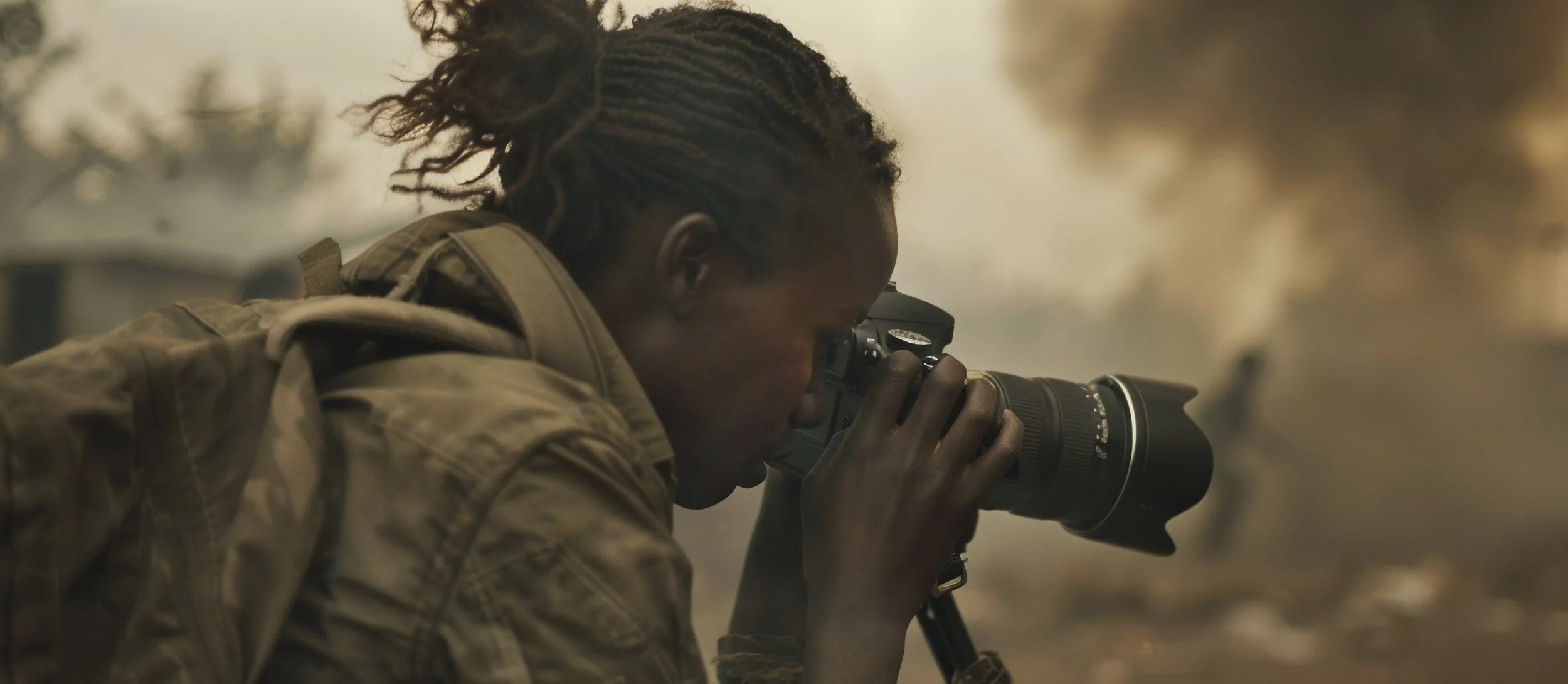
Sudanese journalists have witnessed it, endured it, and documented it throughout. They continue to give voice to a conflict that has shaken one of Africa’s largest countries, often at a great personal risk. Journalists face killings, arbitrary detention, and forced exile. At least 15 journalists and media professionals have been killed since the conflict began according to reports by the Committee to Protect Journalists. Approximately 90% of the country's media infrastructure has been destroyed, and around 1,000 journalists have been displaced as reported by the Sudanese Journalists Syndicate, leaving large parts of the population in an information vacuum. In turn, this collapse has facilitated a rapid spread of hate speech, disinformation and propaganda according to UNESCO, leaving populations without access to critical safety information.
From within Sudan, and in exile (particularly in Uganda and Kenya), journalists and media makers require financial, relocation, health and psychosocial assistance to ensure the ongoing flow of pluralistic information about the ongoing conflict. In response, MiCT, through the Fellowship for Critical Voices, has supported over 135 Sudanese journalists since the conflict started with a holistic and individualised approach. This includes stipends, safe housing, legal assistance, security support, equipment, mental health and overall health and wellbeing care among other assistance. In April 2024, MiCT opened Exile Media Hub Nairobi, in Kenya, a space for Sudanese and East Africa journalists to work, connect, and rebuild.
Sudanese Fellows have since produced over 583 pieces of journalism, many documenting the conflict for national and international audiences. This is Sudan’s story told through their work.
Credit: Atar Network
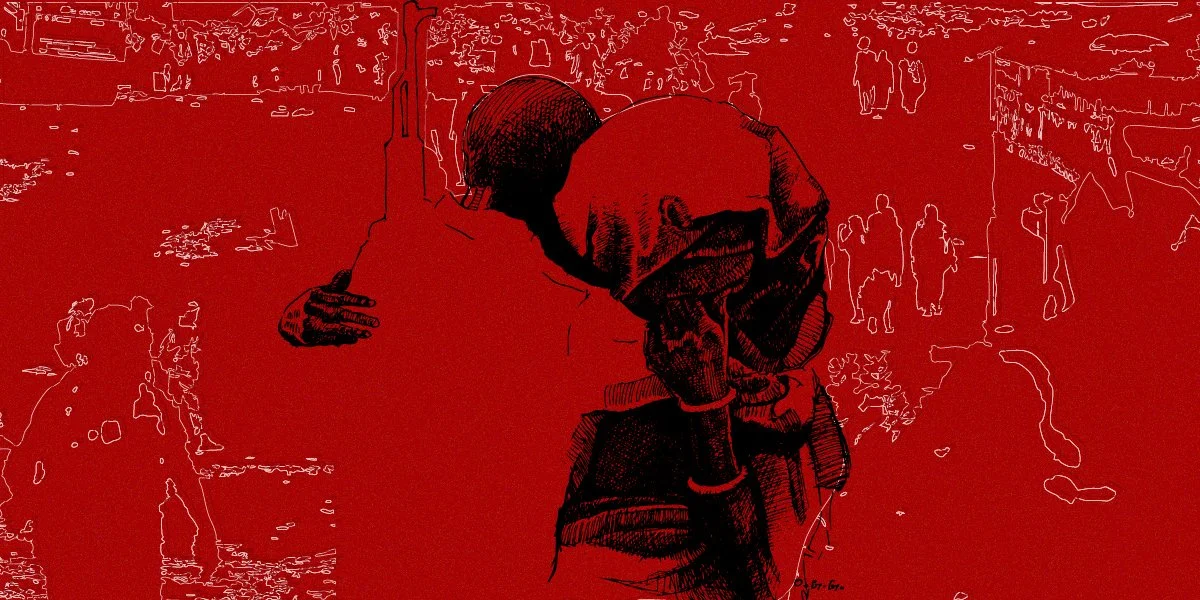
The Tribal Reservoir: How Social Structures Fuel the Frontlines
Fellow Haider Abdel Karim covered the weaponisation of tribal identity, documenting how traditional social structures in Darfur have been transformed into "reservoirs for recruitment." His work highlights the immense pressure placed on families to hand over their sons to fuel a war that is systematically tearing apart the region’s social fabric.
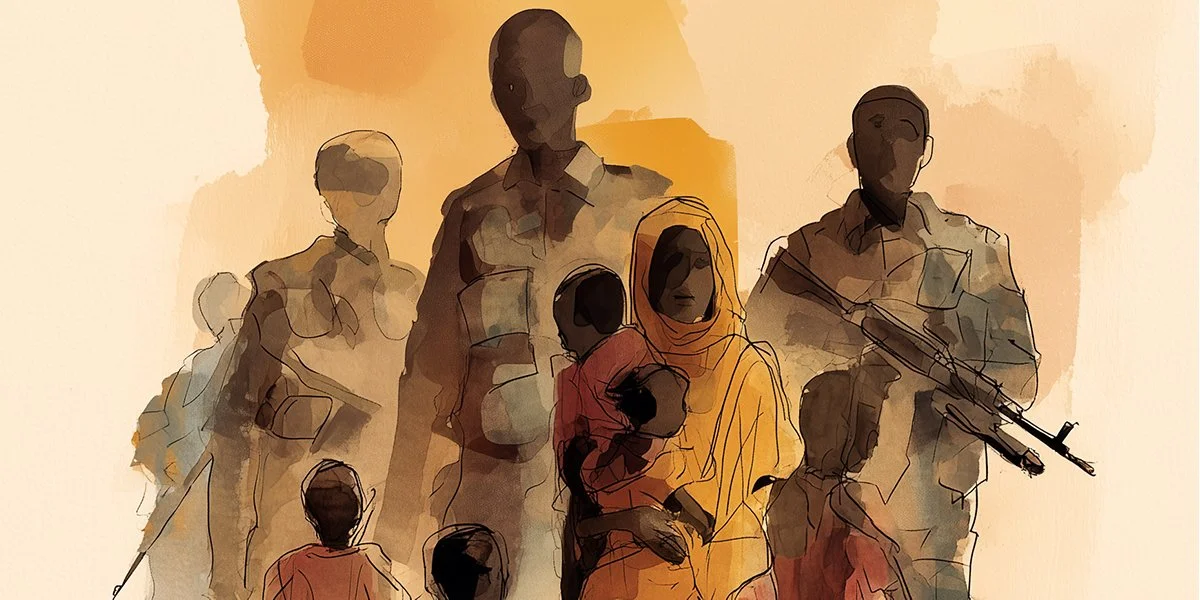
The Citadel of Resistance: The Fall of Al-Fasher and its Humanitarian Aftermath
Fellow Alhaj Nemat documented the harrowing 550-day siege and eventual fall of Al-Fasher, the last major SAF stronghold in Darfur. Their reporting, supported by satellite investigations, reveals a "bloodbath" marked by mass executions and the targeting of civilians as they attempted to flee the city.
Credit: Atar Network
Credit: Mashaweer News / Mohammed Ahmed Ali Younis
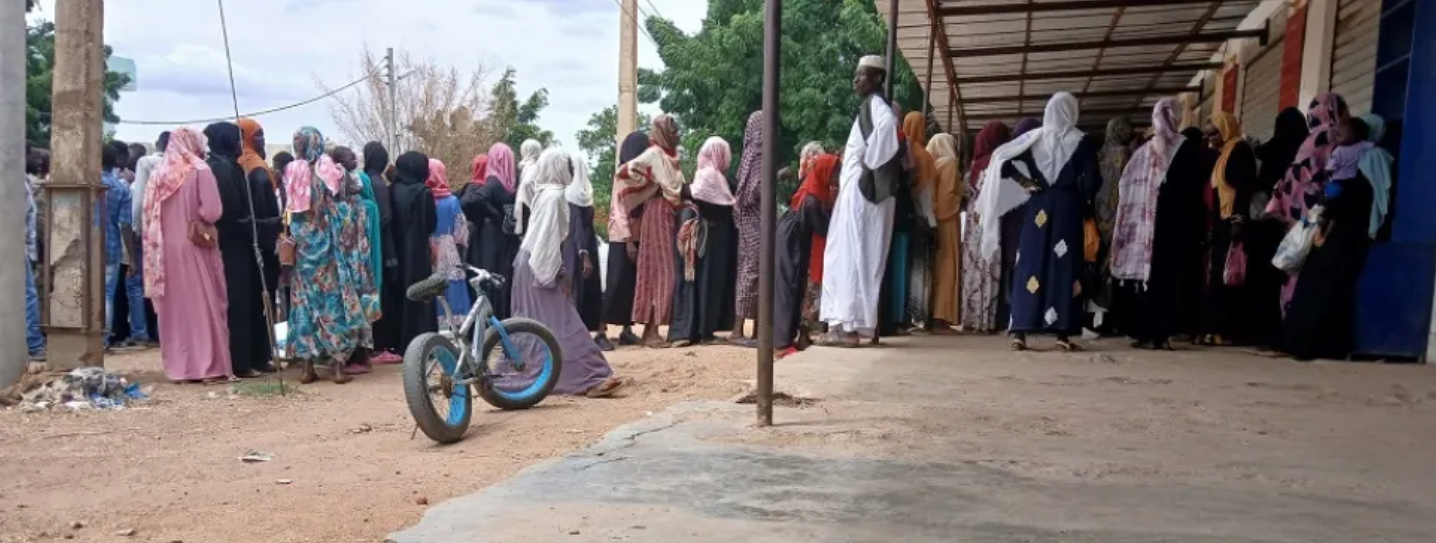
Under Siege in Kordofan: The “Hellish” Reality of Life in Al Dalang
Mohammed Ahmed Ali Younis reported on the suffocating siege of Dalang in South Kordofan, where residents are trapped in a "hellish" reality of constant shelling and famine. His work details the collapse of communal kitchens and the desperate lack of medical care for those wounded in the crossfire.
The Pale Face of Gold: Cyanide, Conflict, and Environmental Ruin
Despite being a gold-producer, Sudan is one of the poorest countries in the world, even before the conflict started. Julius Algaely investigated the "poisoned legacy" of gold mining in South Kordofan, detailing how military-controlled firms have prioritised profit over human life. His reporting exposes the devastating impact of toxic cyanide and mercury, which have contaminated local waterways and led to the mass death of livestock.
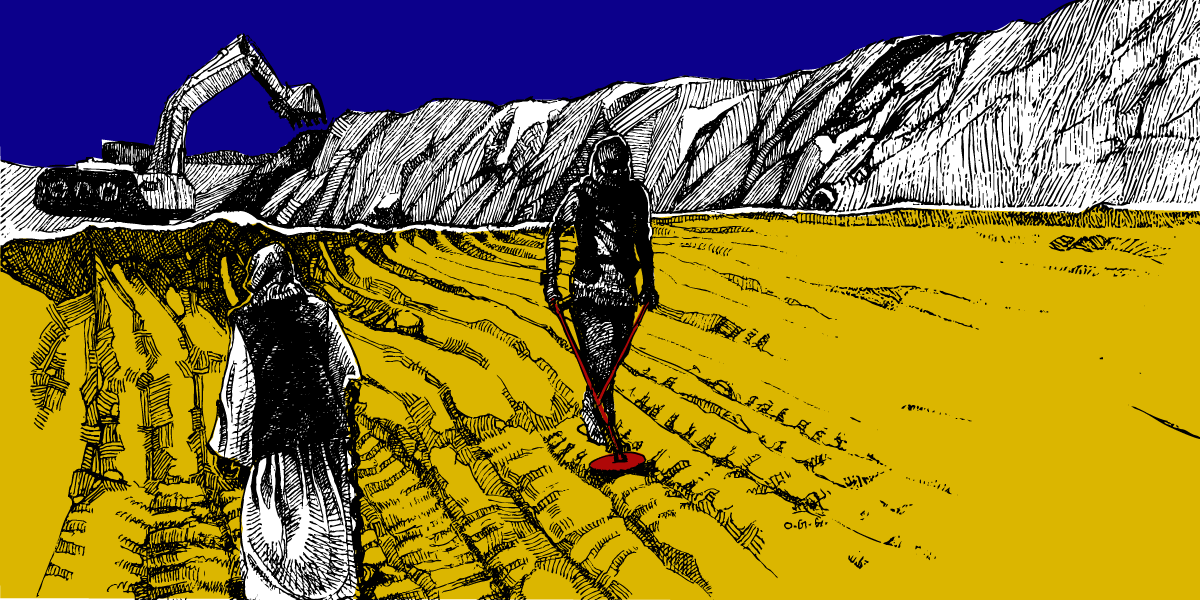
Credit: Atar Network
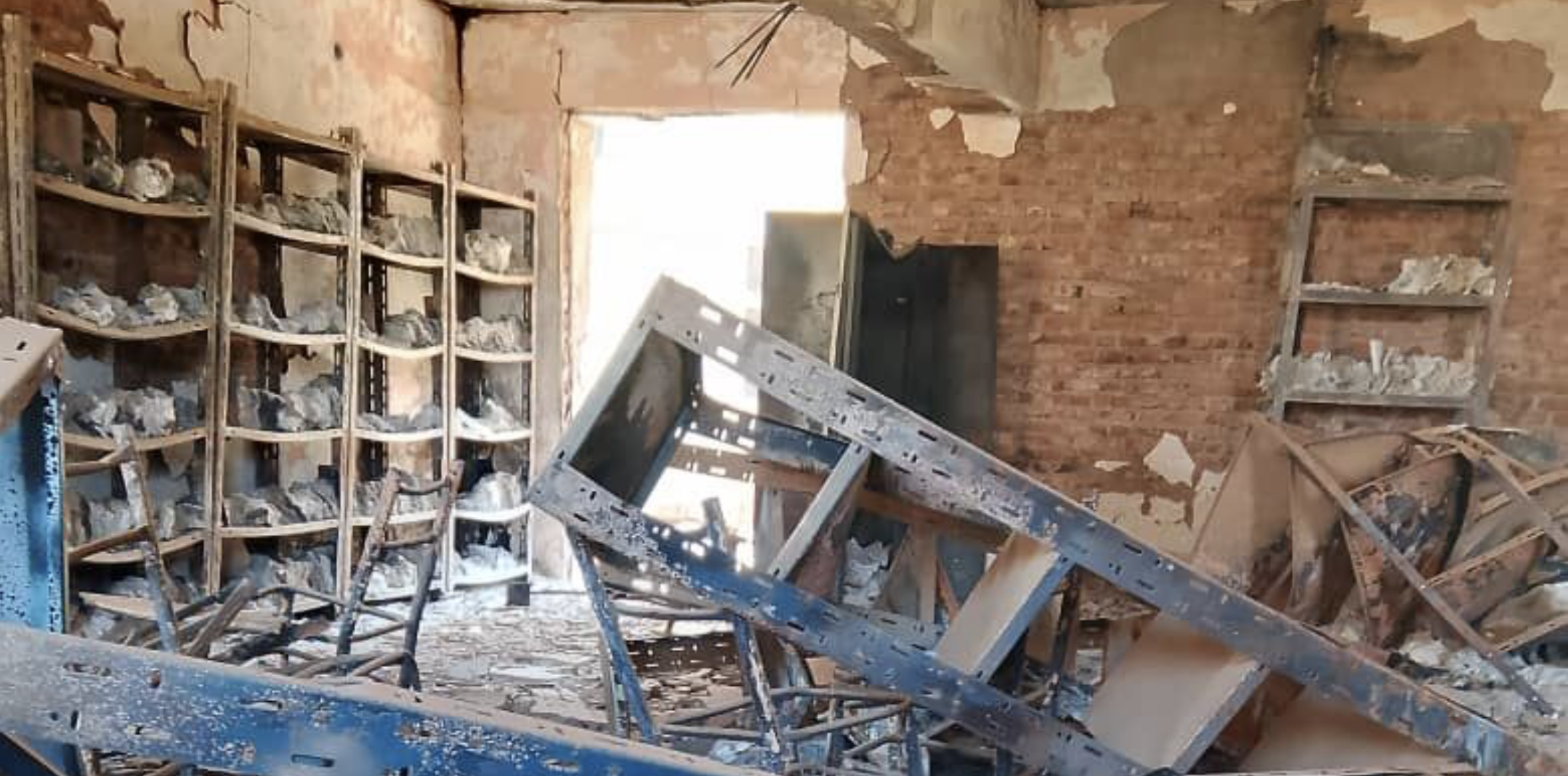
Credit: Al-Jaily Ahmed
The Silent Loss: Sudan’s Libraries and the Erasure of Collective Memory
Julius Algaely Ahmed documented the "silent loss" of Sudan's intellectual heritage, reporting on the systematic looting and burning of university libraries. His work explores how the destruction of rare historical manuscripts represents a direct blow to the nation’s collective memory and identity
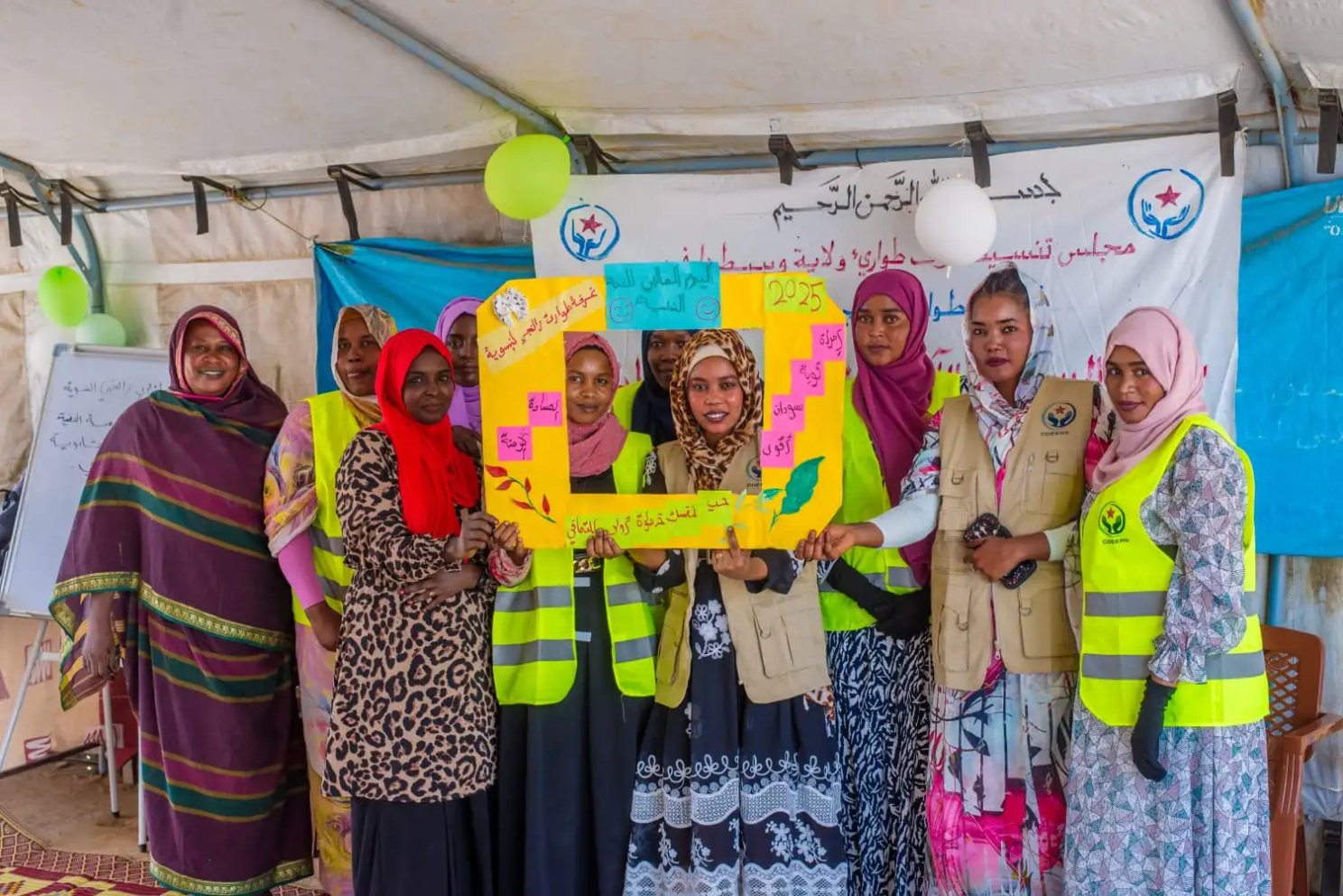
Credit: Reem Mohammed Abdullah
Safe Spaces of Hope: The Feminist Emergency Rooms of Central Darfur
Reem Mohammed Abdullah reported on the Feminist Emergency Room in Zalingei, the capital of Central Darfur state. This grassroots initiative providing "safe spaces" for women and girls, focusing on the essential psychological support and economic empowerment workshops being provided to survivors of war-related violence.
The Fellowship for Critical Voices is a protection programme for journalists and media professionals in conflict areas. The project is part of the Hannah Arendt Initiative and funded by the German Federal Foreign Office.