
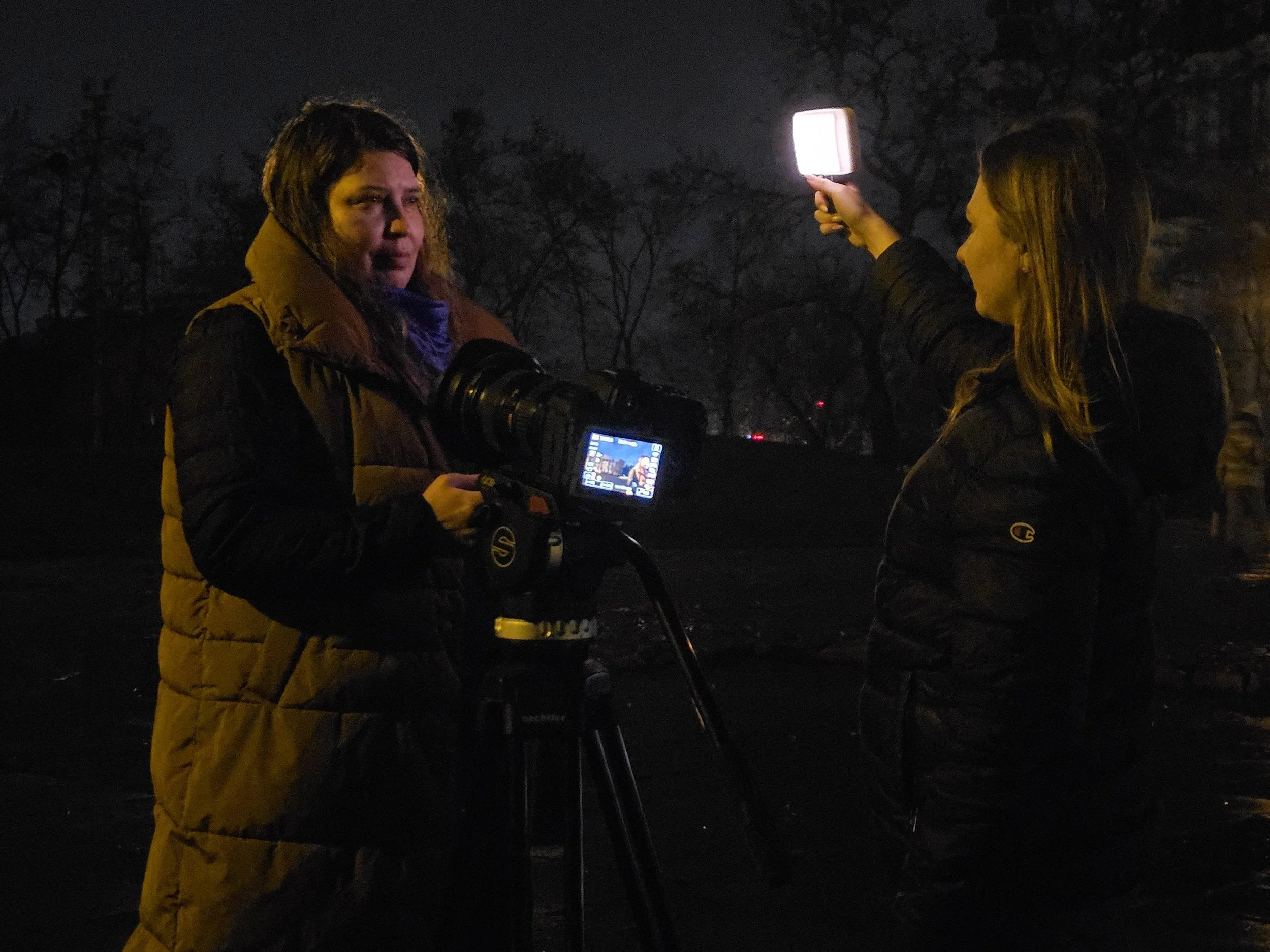
Ukrainian journalists continue to shed light in a literal and figurative darkness. Attacks to power infrastructure make their work conditions even more challenging, affecting their ability to connect with audiences worldwide. In the photo, Fellow Mariia Schedrina.
SHEDDING LIGHT IN THE DARKNESS: FOUR YEARS INTO CONFLICT, UKRAINIAN JOURNALISM CONTINUES UNDER PRESSURE
“The challenge of my work is balancing drive and safety,” says Mykyta Kuznetsov, a Ukrainian journalist. “Today’s conflict demands far more preparation and focus from journalists, even in relatively safe areas.”
Four years after Russia’s full-scale invasion started, journalists like Mykyta continue to operate in an exceptionally hostile environment marked by ongoing warfare, mass displacement, infrastructure destruction, and extreme winter conditions. Media workers face constant security risks, job losses, and mounting psychological strain. According to UNESCO, nearly 30% of media outlets have suspended operations, while 85% of journalists report experiencing mental health challenges.
Sustained support like the Fellowship for Critical Voices remains essential to enable independent, fact-based reporting to keep audiences informed.
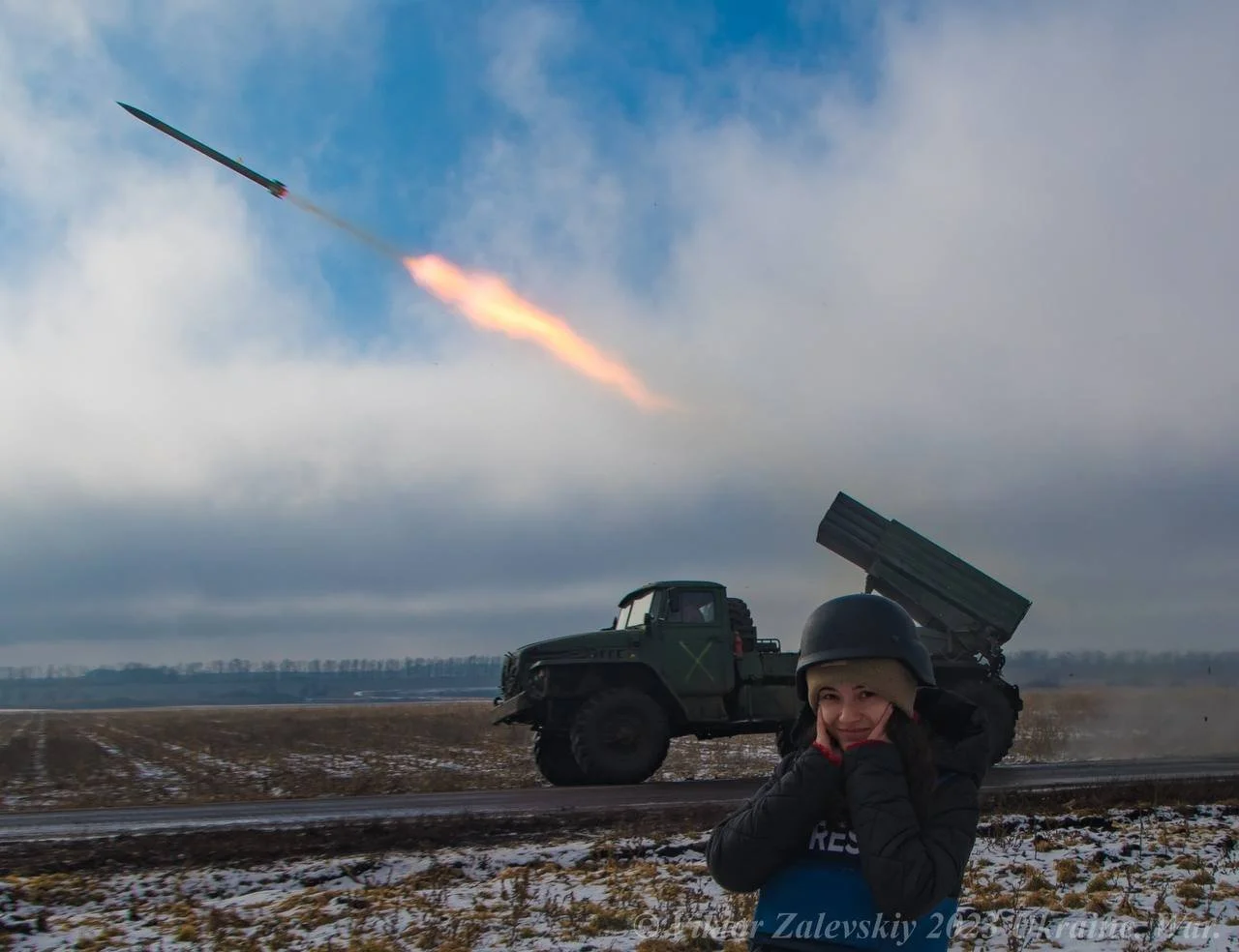
In February 2023, Fellow Ksenia Savoskina reported from Avdiivka, in Donetsk, a region now occupied by Russian troops. “Those were sunny days and we could work calmly without the threat of drones,” she explains.
THE FELLOWSHIP SUPPORT
Since 2022, the Fellowship for Critical Voices has provided essential support to over 220 Ukrainian journalists, with a focus on those under 30.
Support includes financial assistance, replacement of damaged equipment, and individual and group psychological care. “The mental health support is extremely helpful, I am very grateful for this opportunity to get to know myself better, reduce anxiety and gain more strength for personal life and work,” shared a Fellow. To date, the project has provided over 1.000 psychological support sessions to Ukrainian journalists.
Fellows also strengthen their professional skills through mentoring and training in solutions journalism, interviewing, podcasting, English, and digital security, including source verification, data protection, OSINT, and countering misinformation.
The Fellowship has also supported internships with leading media outlets such as Radio Svoboda, Kyiv Independent, and Forbes, helping young journalists build sustainable careers. In-person Fellowship gatherings have offered rare, safe spaces for bonding and connection during the war.
BUILDING COMMUNITY IN THE KYIV MEDIA HUB
In 2024, MiCT opened the Kyiv Media Hub, a safe, professional workspace for journalists affected by the war. The hub supports collaboration, skills development, and production, with reliable electricity and internet, crucial amid frequent power outages, and access to technical equipment.
The hub brings together a community of 323 verified journalists (79% of them women) and has recorded more than 1.500 visits since opening. It has hosted over 100 events focused on digital security, investigative reporting, mental health, professional development and policy briefings.
REST & RECHARGE IN BERLIN
Groups of Fellows also participated in rest and recovery retreats in Berlin, combining mental recuperation with training on AI, media innovation, and counter-disinformation, alongside exchanges with local journalists and media practitioners.
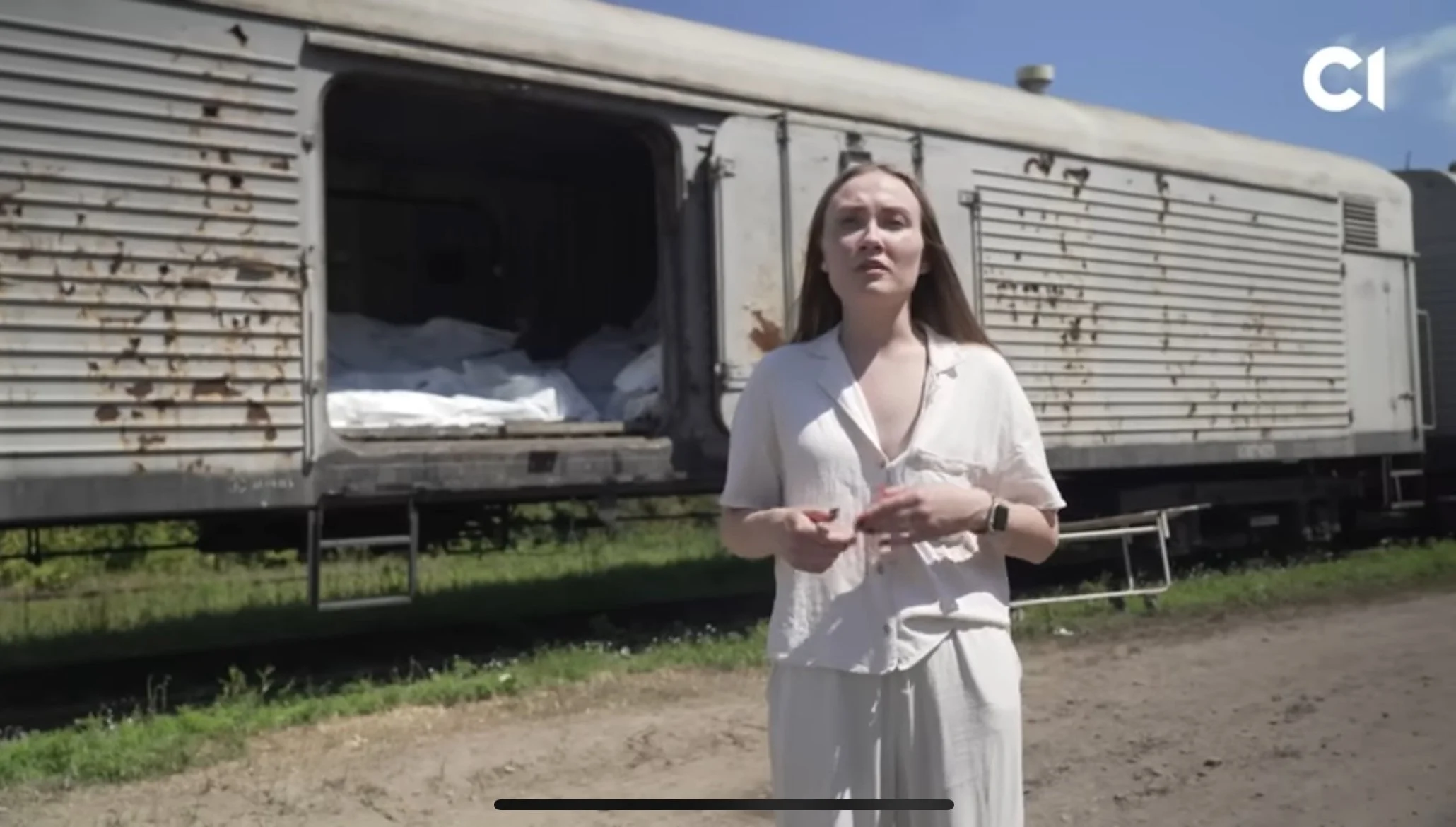
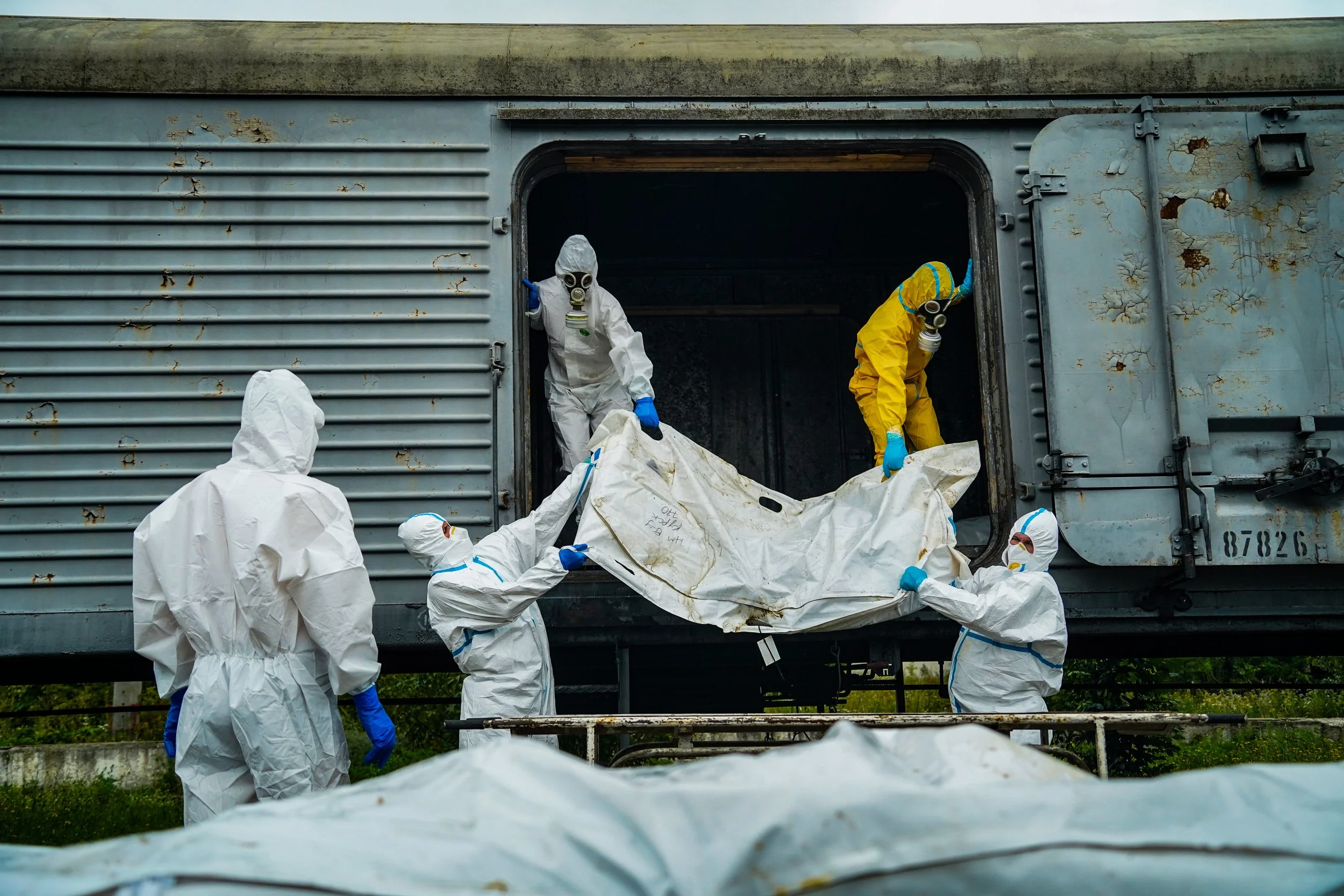
Two Fellows report on the repatriation of bodies of Ukrainian soldiers killed during the conflict. As morgues can’t accommodate the bodies, specialists work on the field to collect samples. Left: Vladyslava Kobko working on a video report. Right: picture taken by Denys Klymenko.
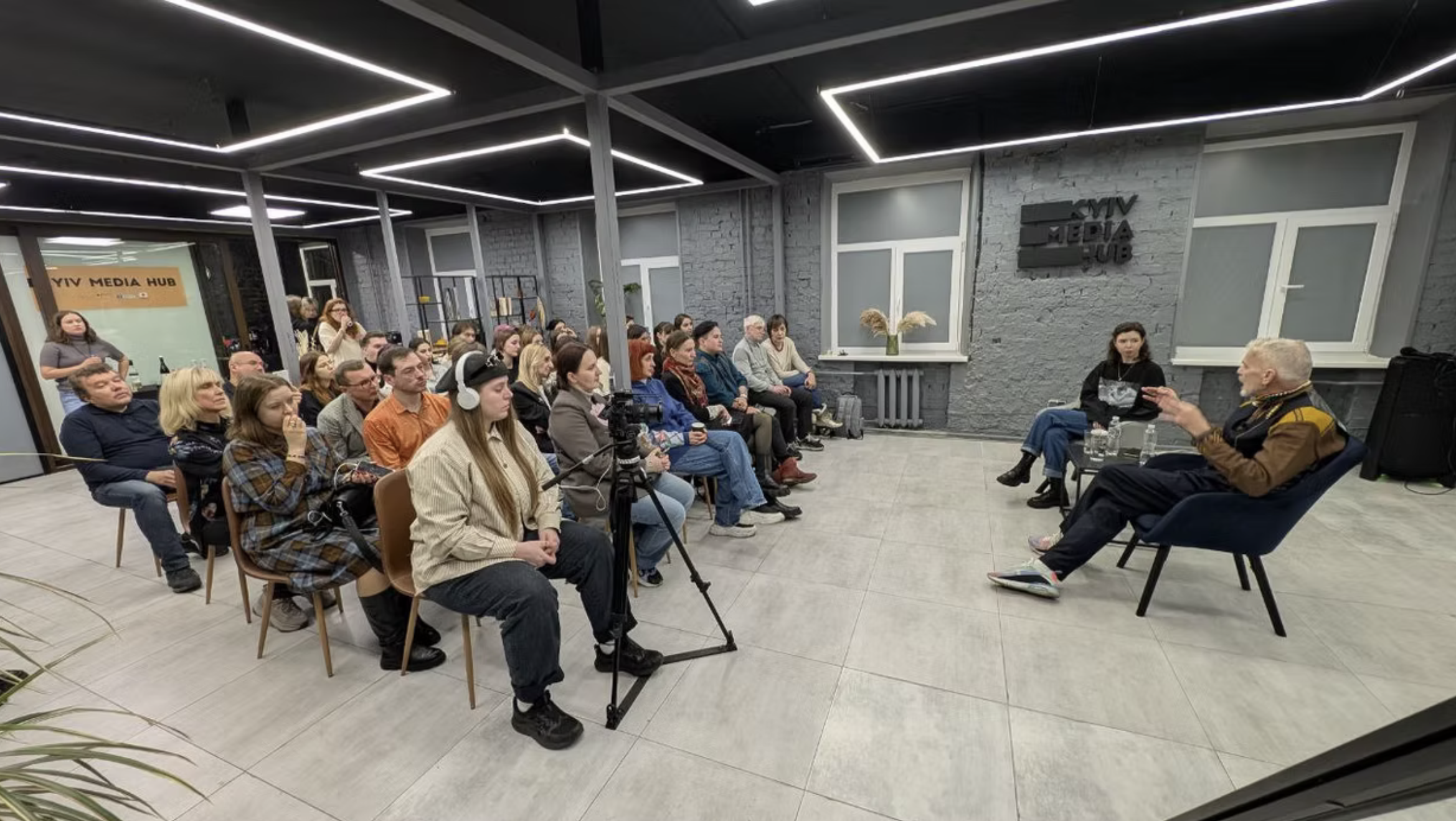
An event gathering journalists in the Kyiv Media Hub.
INDEPENDENT REPORTING CONTINUES
Since 2022, Fellows have documented Ukraine’s evolving reality, helping ensure that Ukrainian journalism continues to reach global audiences through a layered, independent narrative of the country’s resilience and lived experience.
While the project does not commission content; it provides the conditions that allow journalists to continue working independently and safely. As a result, Fellows have produced more than 3.000 news reports, centring on the war (frontline developments, war crimes, and energy security) while also examining journalism’s role during wartime through personal reflections and advocacy for independent media. Fellows also highlight cultural resilience, diplomatic efforts, and volunteer initiatives supporting soldiers and civilians, alongside reporting on innovation and environmental issues.
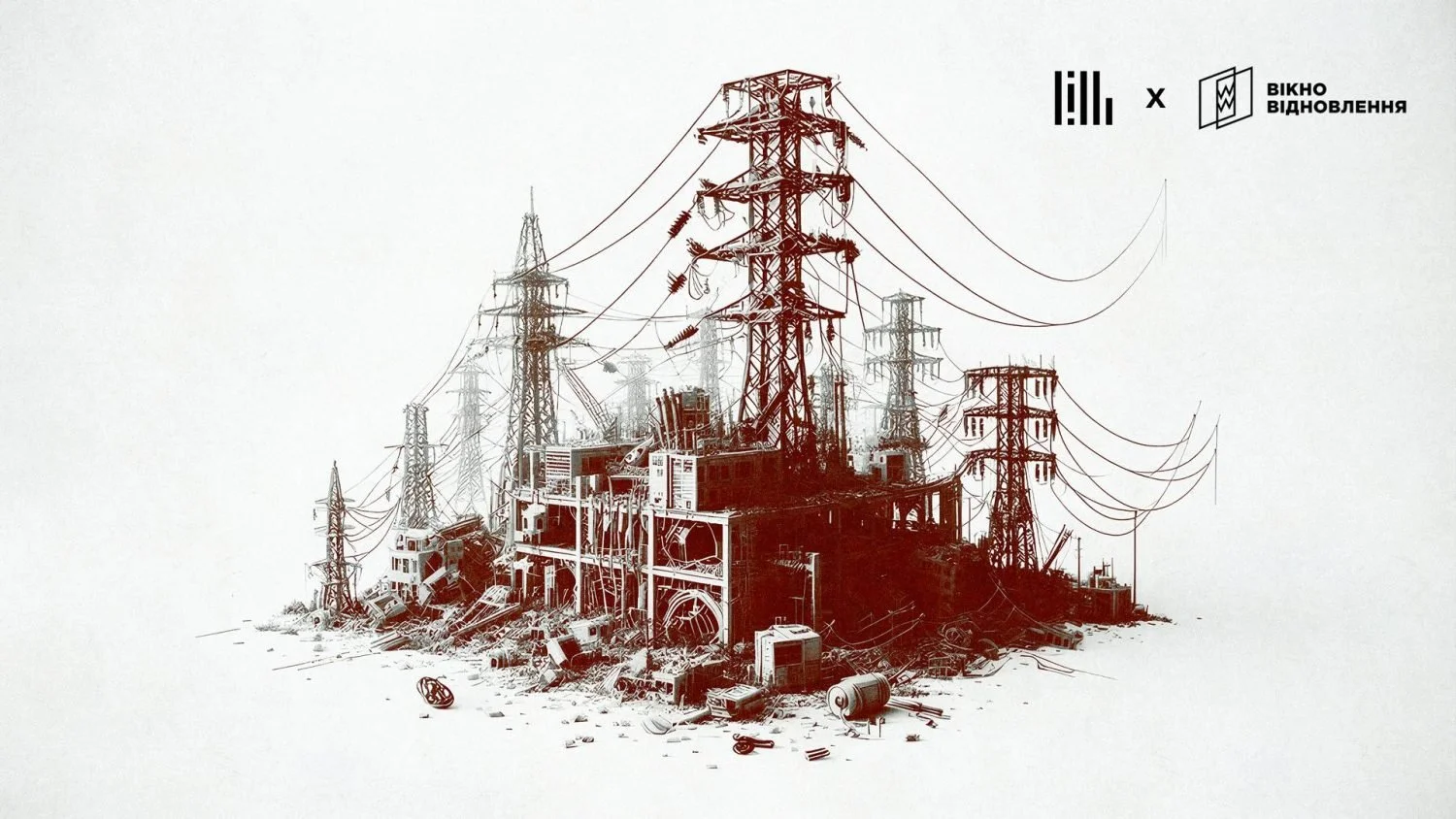
Fellow Tetyana Chubenko, in the article “The Battle for Light: How to Restore Ukraine's Energy System”, examines the extensive damage to Ukraine’s power infrastructure from targeted attacks. Drawing on expert insights from Ukrenergo, she highlights the immense challenges and strategic efforts involved in restoring the country’s energy grid.
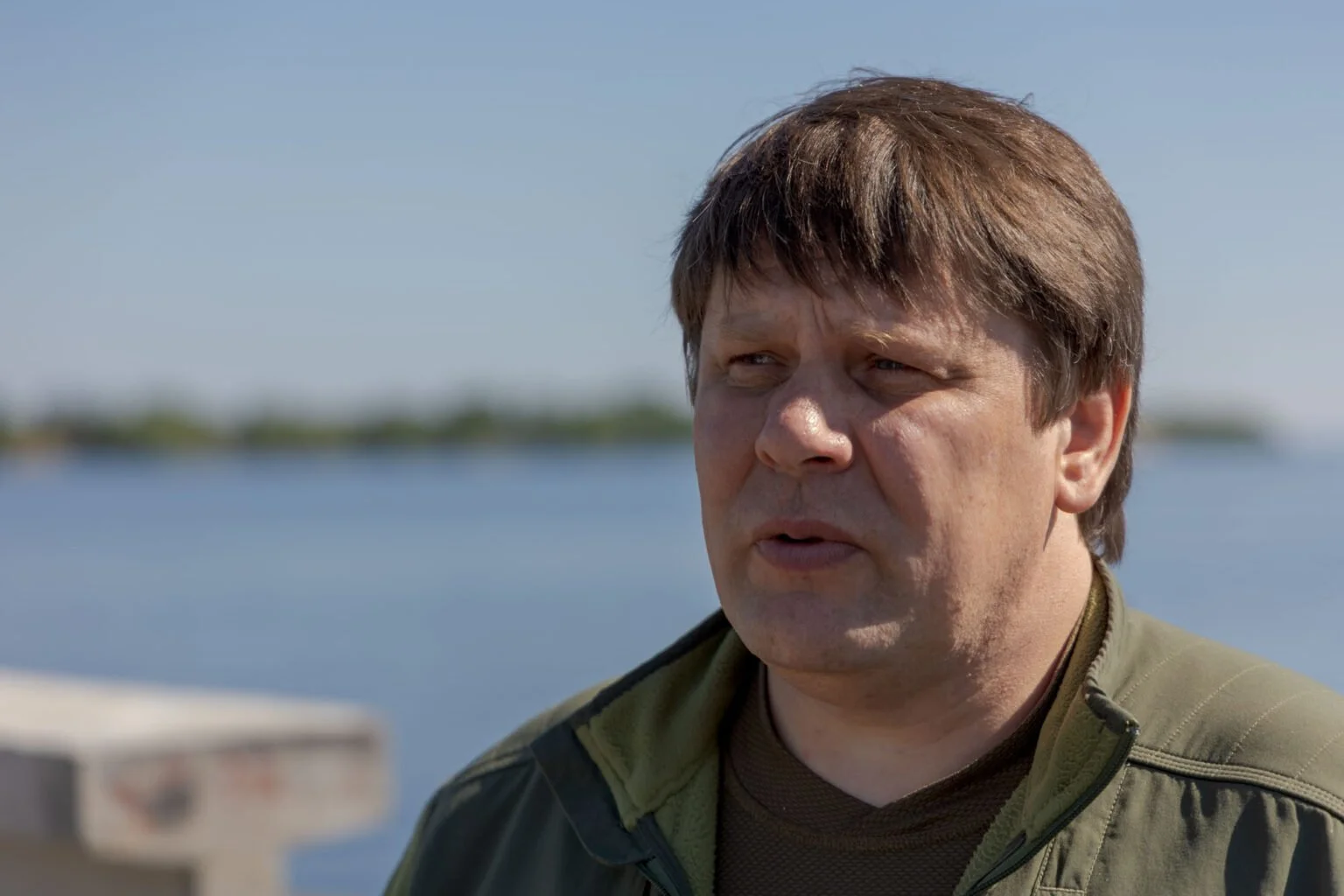
Fellow Anastasiia Opryshchenko, in “Eyes Drones: Seeing Russian Actions in Real Time”, profiles Oleksandr Tykhokhod and his innovative “Eyes” drone project. The article shows how real-time drone reconnaissance is revolutionizing intelligence gathering on Russian military movements.
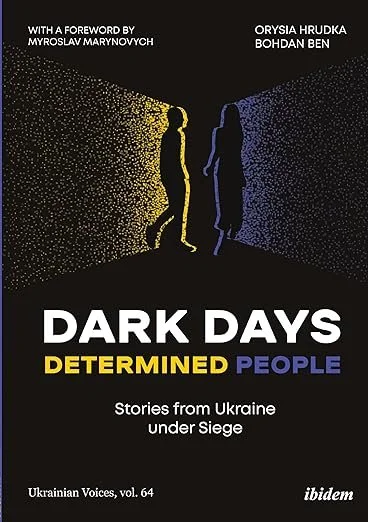
Orysia Hrudka was able to promote her book of literary reportage, "Dark Days, Determined People: Stories from Ukraine under Siege," reaching a wider audience.
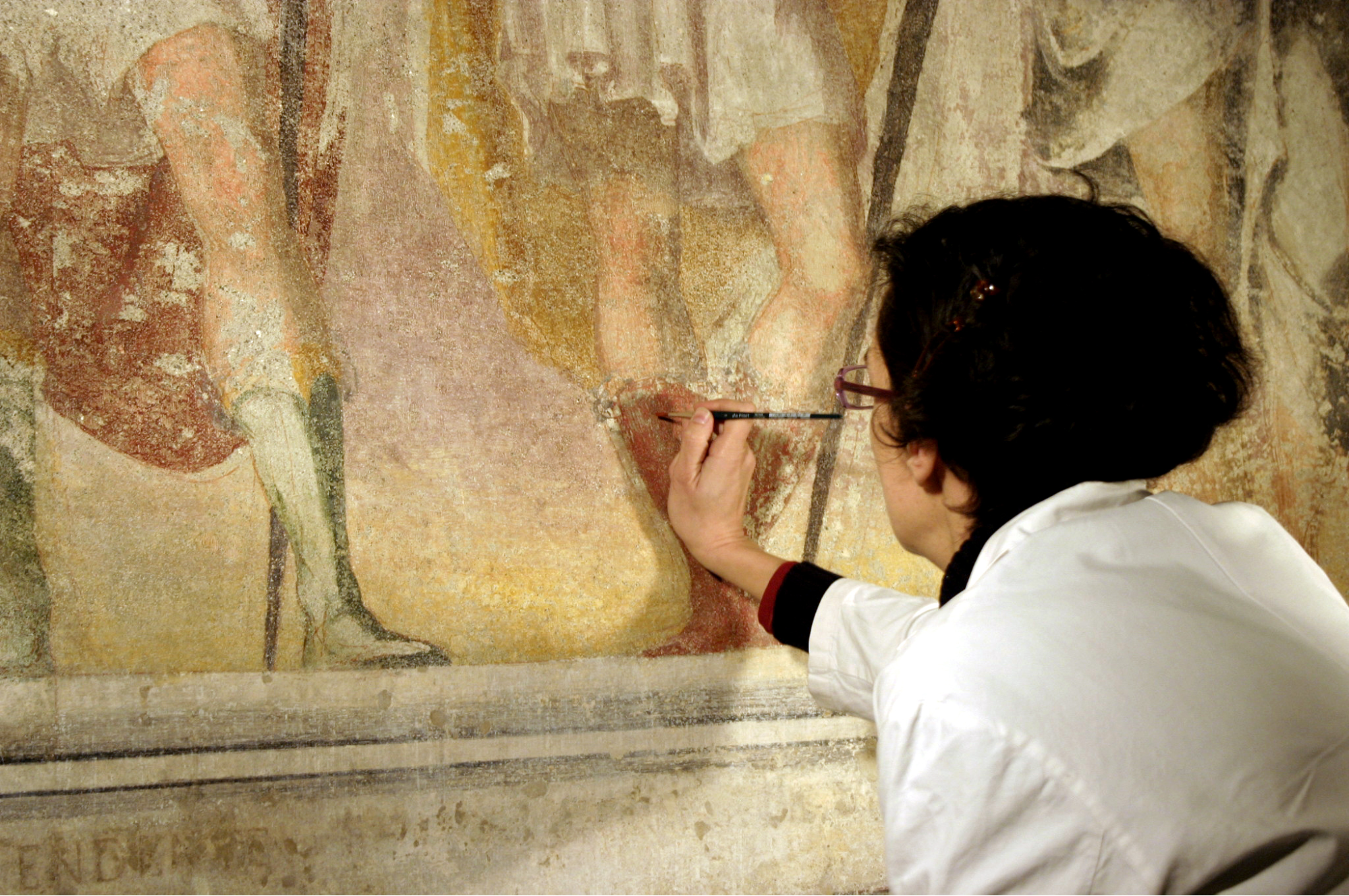
Fellow Artem Moskalenko, in “When Restoration is Impossible: Can Conservation Preserve Ukraine's Cultural Heritage?”, explores how conservation, rather than restoration, offers a practical solution for protecting Ukraine’s cultural monuments amid war. Through an interview with restorer Alisa Sviatina, the article unpacks critical differences between the two approaches.