
Digital Communication Training for Libya's Public Institutions
When citizens can no longer rely on official channels for timely, credible information, they turn elsewhere. In Libya, rapid digital adoption has outpaced the communication capacity of many public institutions, leaving a gap that unofficial and fragmented sources have moved quickly to fill. Bridging that gap requires more than policy commitments to transparency — it requires the practical skills to communicate in the formats and on the platforms where people actually are.
MiCT has been working in Libya for 13 years, from launching Correspondent magazine to supporting over 500 journalists through legal protection programmes and delivering governance communication training across the country. This project builds on that foundation directly.
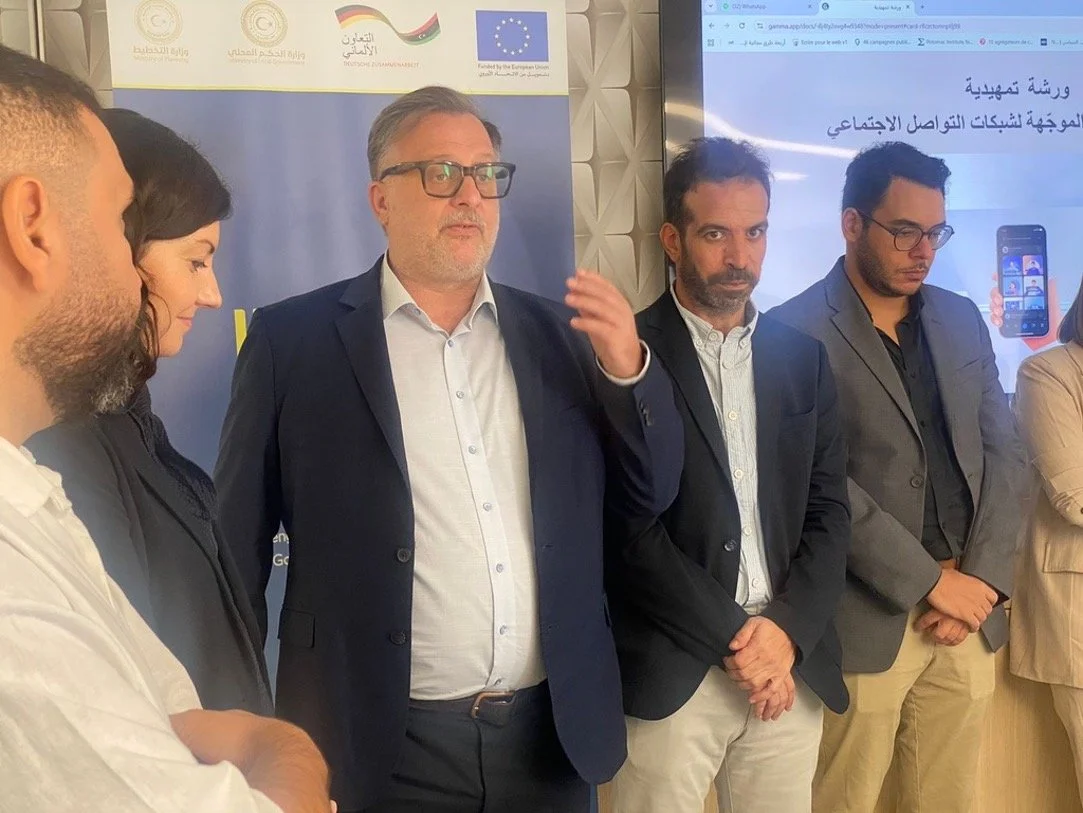
In October and November 2025, MiCT brought together 30 government media officers and content creators from public institutions across Libya for a two-week intensive training programme in Tripoli, implemented in partnership with Deutsche Gesellschaft für Internationale Zusammenarbeit (GIZ) GmbH and Cowater International.
What the Training Covered
The programme ran two parallel tracks. Content creators from the Hadef government platform and communication officers from Libyan ministries trained together but with tailored content, allowing each group to focus on its specific challenges while learning from each other.
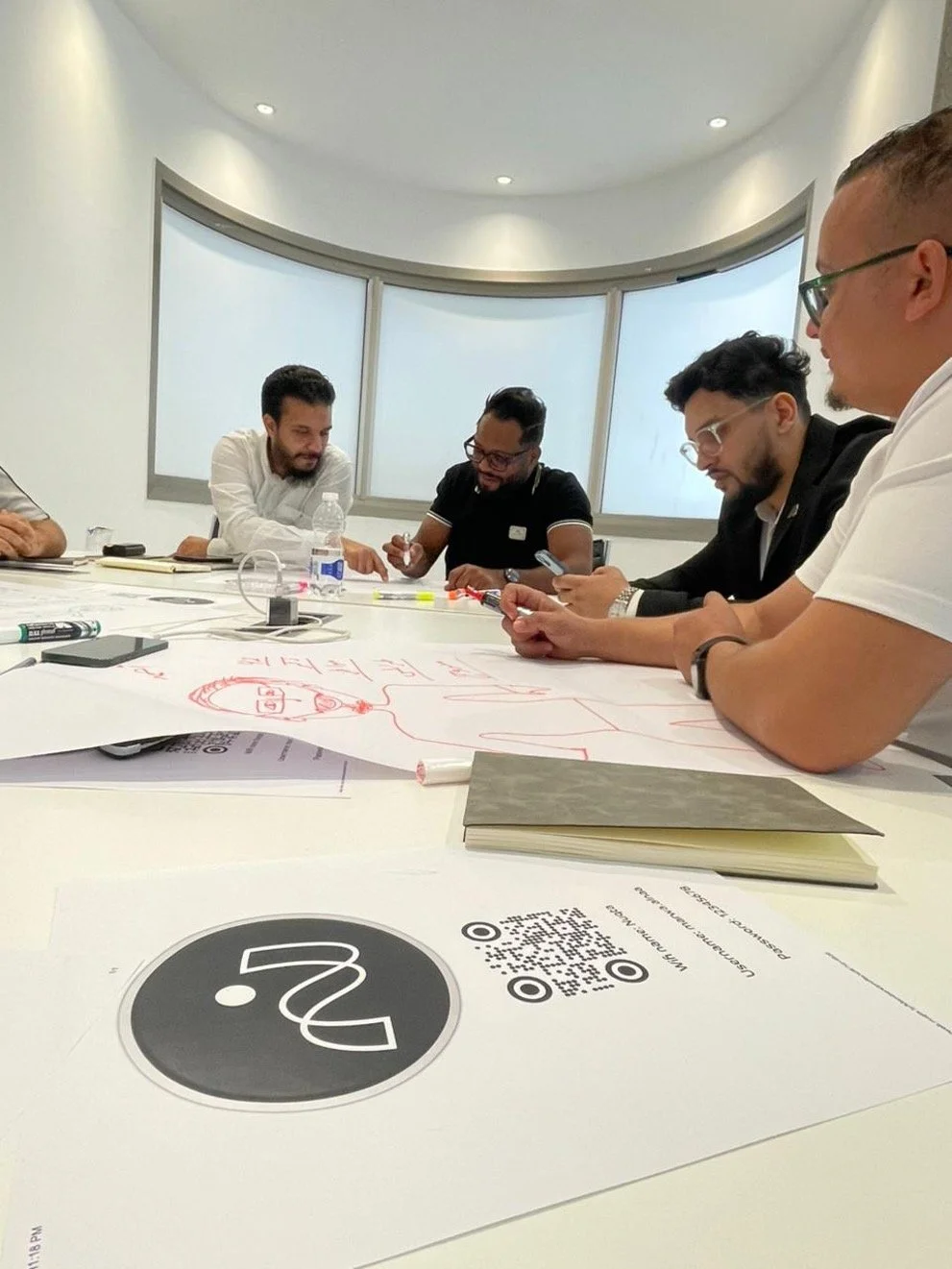
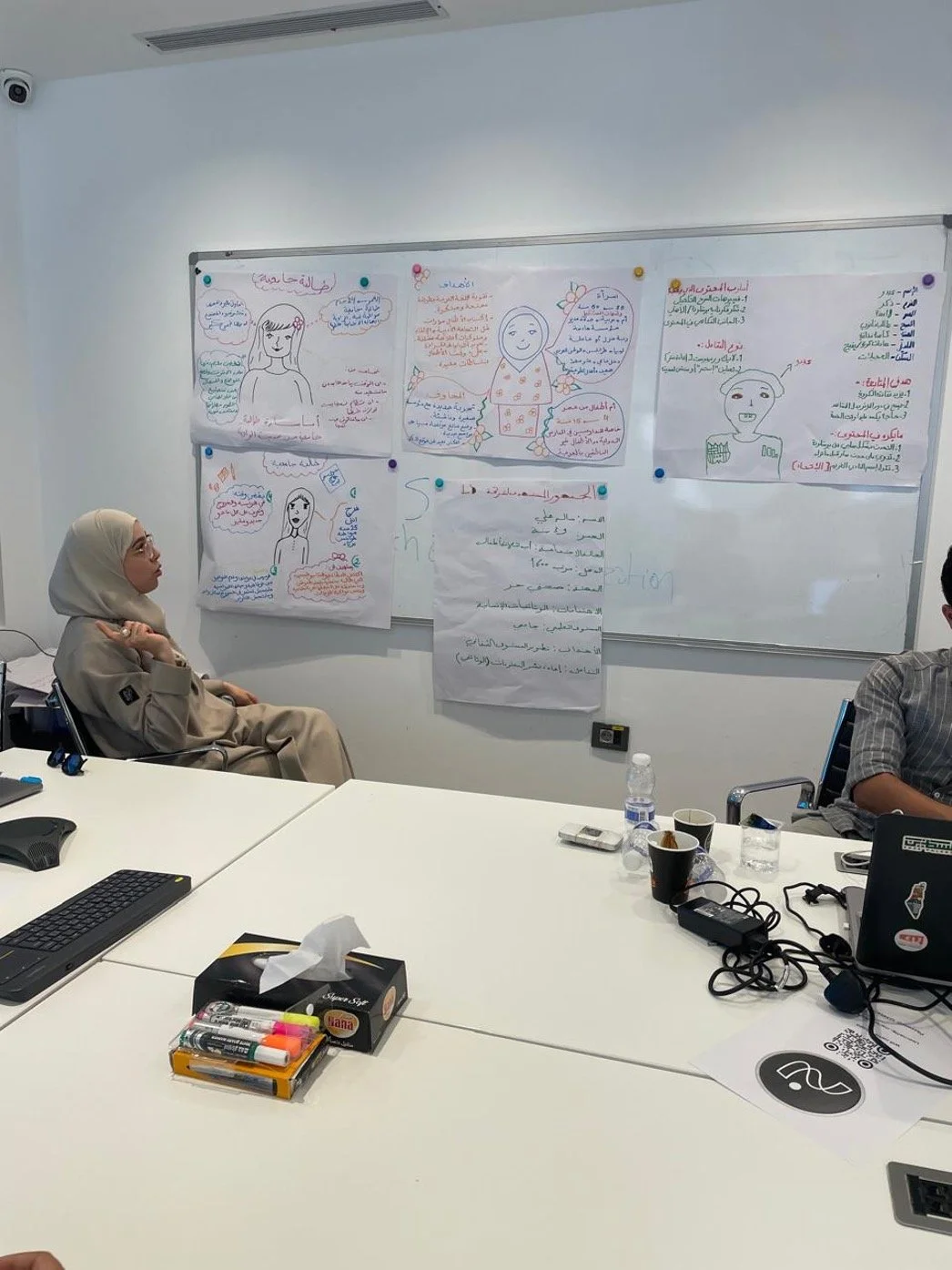
The first module focused on understanding audience behaviour on social media — how citizens engage with digital content, what drives trust or skepticism, and how institutions can move from broadcasting information to genuinely connecting with the public. Participants worked through real case studies on audience segmentation, message tone, crisis communication, and the use of data to refine content strategies.
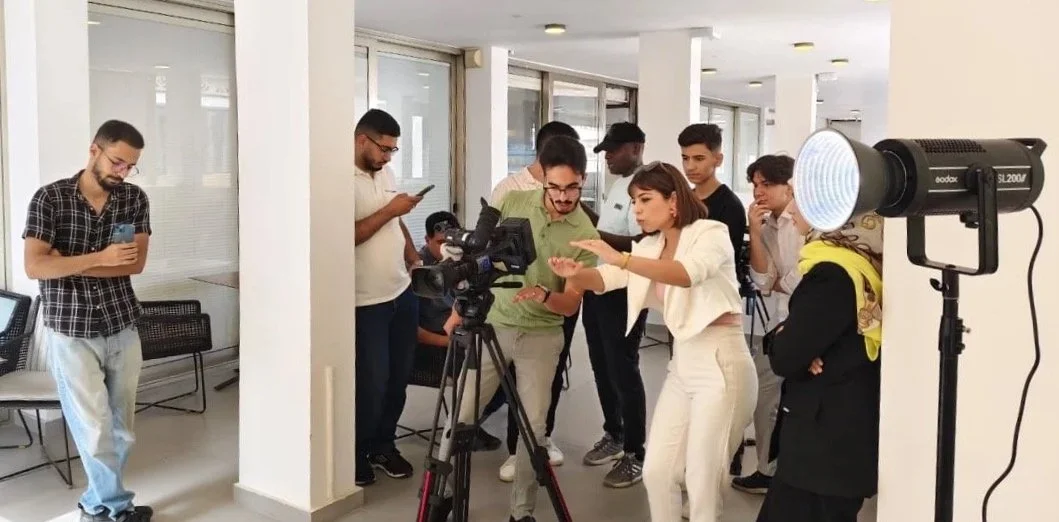
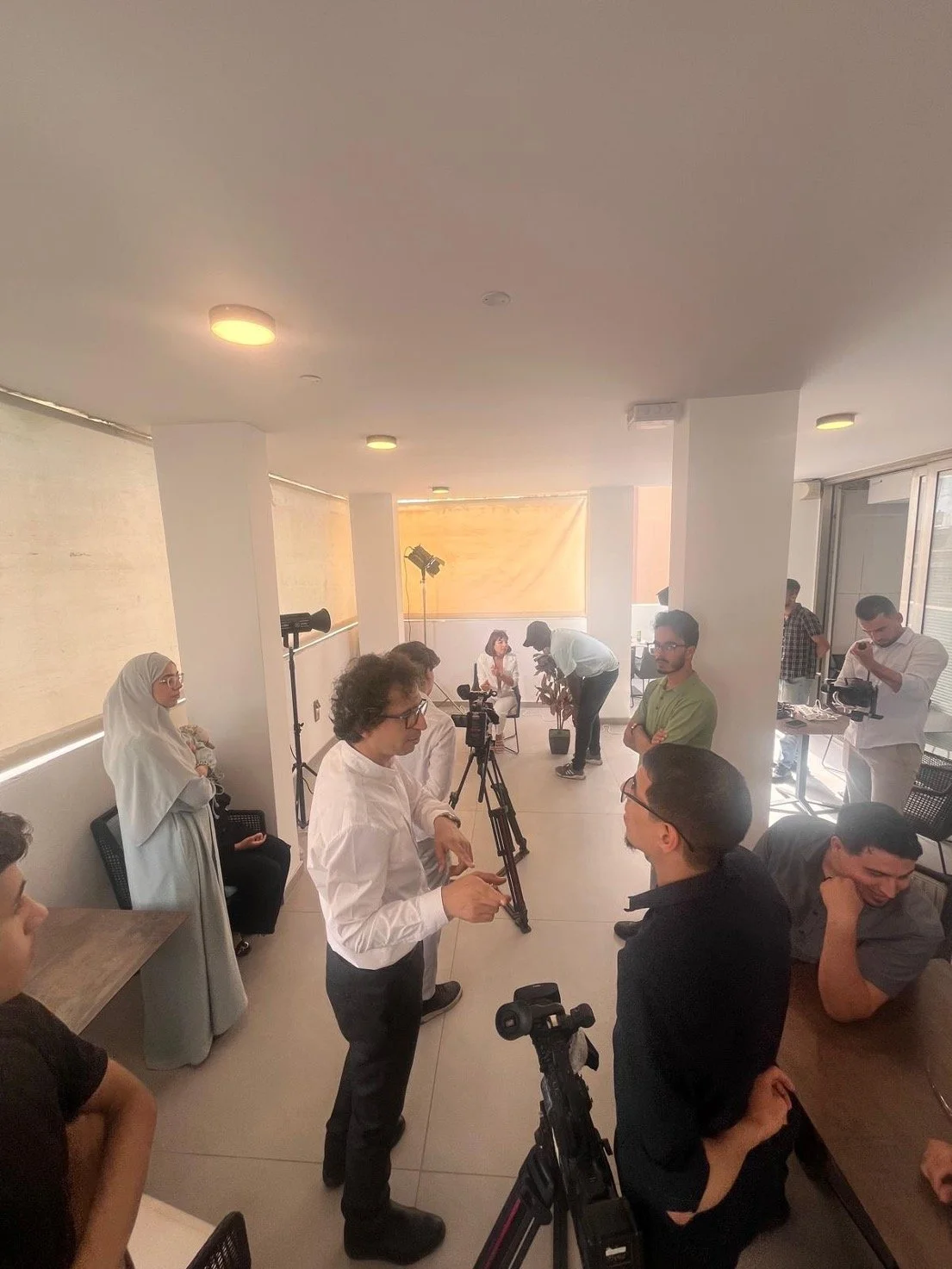
The second module was hands-on from day one: short digital video production. Participants learned to develop story ideas, write scripts, shoot using smartphones as professional tools, edit using accessible mobile applications, and publish optimised content across Facebook, Instagram, and TikTok. By the end of the programme, every participant had produced a complete short video, reviewed and refined through peer and trainer feedback.
The training was structured as 70% practical and 30% theoretical throughout, reflecting the principle that communication skills are built by doing, not by listening.
What Emerged
Beyond individual skill development, the training produced something less expected: cross-institutional collaboration. For the first time, communication representatives from different ministries jointly developed content strategies, working across institutional lines on shared communication challenges. Participants left with not just new skills but new professional relationships and a clearer sense of what coordinated government communication could look like.
This project was implemented in partnership with Deutsche Gesellschaft für Internationale Zusammenarbeit (GIZ) GmbH and Cowater International.